Empowering Craft, Elevating Excellence : Sabah Nepal Conducts Skills Enhancement Training for FHAN
Last updated on Jun 12, 2026
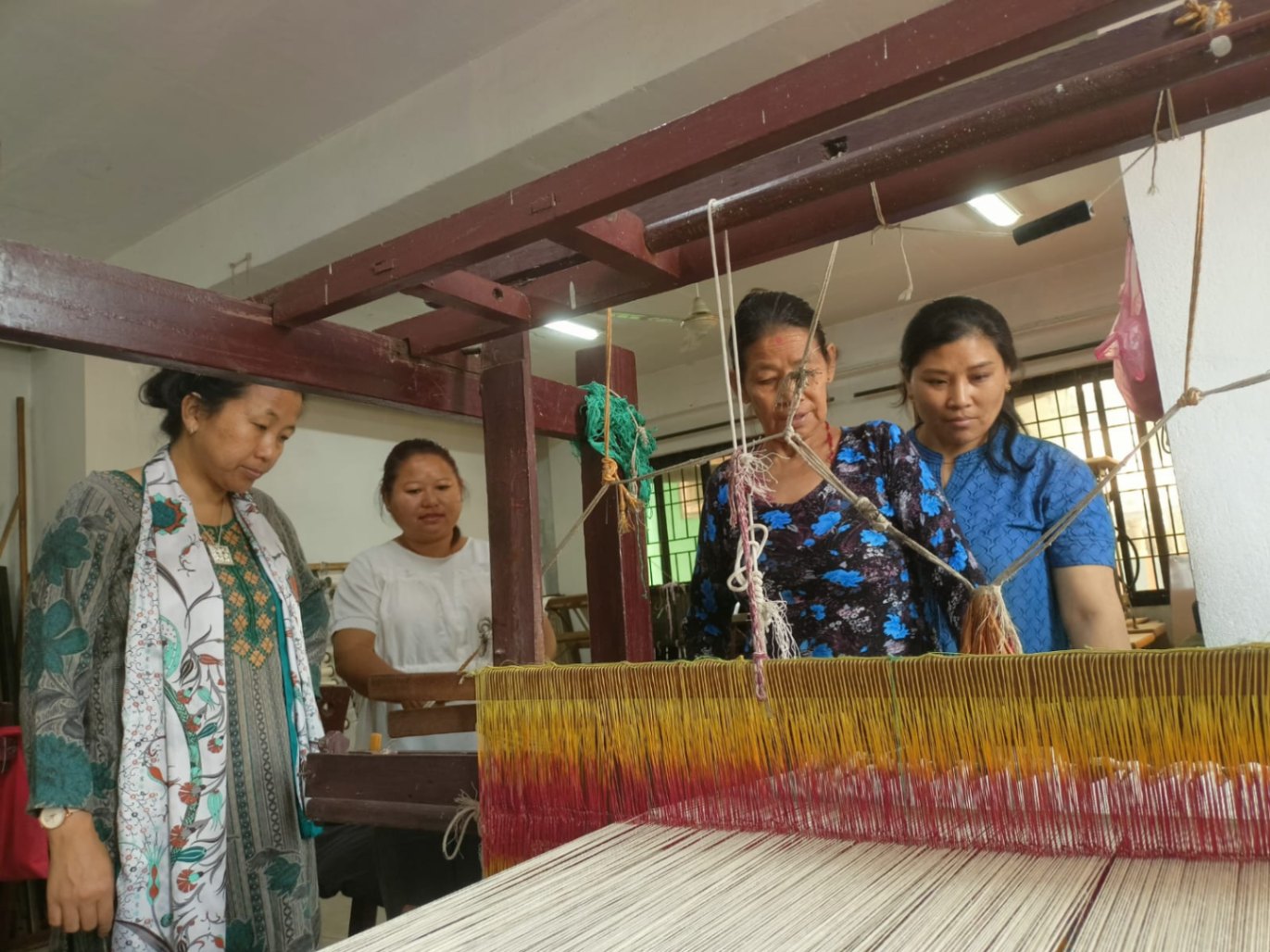
In Nepal, the handicraft sector is more than an industry. It is a living thread that connects generations, preserves cultural identity, and provides meaningful livelihoods to thousands of artisans and their families across the country. Every shawl woven, every mat crafted, and every thread carefully placed carries within it the knowledge passed down through communities over centuries. Nurturing and advancing that knowledge is not simply good for business; it is good for society. It is in this spirit that Sabah Nepal and the Federation of Handicraft Associations of Nepal (FHAN) came together this May for a ten-day skills enhancement training program, a collaboration that reflects a shared belief: when artisans grow, communities grow with them.
FHAN allocated a dedicated budget to invest in the professional development of five of their most skilled workers, selected from a pool numerous participating artisans within their organization. Recognizing that specialized training capacity was not available in-house, FHAN approached Sabah Nepal and formalized the collaboration through a Memorandum of Understanding (MOU). The result was a ten-day program designed not just to sharpen technical skills, but to deepen each artisan's confidence in their own creative voice. This kind of institutional investment matters deeply. When organizations like FHAN choose to dedicate resources to developing their people, they send a clear message: skilled hands deserve skilled support. For the artisans selected, this training was an acknowledgment of their potential and a commitment to their future.
The training ran from May 11 to May 21, 2026, and Sabah Nepal structured it as a coordinated workshop rather than a conventional classroom setting. The reason for this was intentional. In the handicraft world, creativity is not a bonus; it is the very foundation of value. By creating a space where trainees felt comfortable, respected, and free to express themselves, Sabah Nepal ensured that the learning went beyond technique and touched something deeper: the artisan's relationship with their own craft. Sabah Nepal has long been home to trainers who have developed and shared their skills over many years. That depth of experience was brought fully to this workshop, creating an environment where both expertise and empathy guided every session.
The training focused on products made from allo and cotton, two materials with deep roots in Nepal's textile heritage. Allo, derived from the Himalayan nettle plant, has been used by indigenous communities in Nepal for centuries and today represents one of the country's most distinctive and sustainable craft materials. The trainees worked on shawls, place mats, and table runners, refining their techniques in ways that honored traditional methods while elevating the quality and presentation of the finished products.
This focus carries significance beyond the workshop itself. Products made from natural, locally sourced materials like allo represent exactly the kind of sustainable, culturally grounded craft that resonates with conscious consumers both at home and abroad. By strengthening skills in this area, the training contributes to a broader economic ecosystem that supports rural producers, reduces dependence on synthetic imports, and keeps traditional knowledge alive and thriving.
The Sabah Nepal team was led by Ms. Bhabi Pun, who has been with Sabah Nepal since the very founding of the organization. Her presence brought continuity and trust to the training. Her mastery of the craft, combined with her understanding of Sabah Nepal's values, created a learning atmosphere that was both professional and deeply human. Under her guidance, the workshop held space for discipline, creativity, and genuine connection throughout the ten days.
The most meaningful reflection of any training is found in the people who experienced it. Feedback from the five trainees was wholehearted. In just ten days, they described feeling a significant enhancement in their skills, a level of growth that exceeded their own expectations for such a short period of time. Just as notable was the sense of belonging they carried out of the workshop. Throughout the ten days, they did not feel like outsiders attending a course; they felt like members of a community, welcomed into a space that valued their work and their identity as craftspeople.
This sense of belonging is not incidental. It is central to what makes skills training transformative rather than transactional. When artisans feel seen and respected in the learning process, the skills they gain take root more deeply, and the confidence they build lasts far beyond the training room.
Initiatives like this one speak to what is possible when organizations invest in people with intention and care. Nepal's handicraft sector has the potential to be a powerful driver of inclusive economic growth, creating dignified employment for artisans, especially women and members of marginalized communities, while sharing the country's cultural wealth with the world. Sabah Nepal and FHAN's collaboration is one step in that larger journey. By choosing to strengthen the people at the heart of this sector, both organizations are contributing to a future where traditional craftsmanship is not just preserved, but celebrated, valued, and made sustainable for generations to come.