


SABAH Nepal builds strategic partnerships with government agencies, non-governmental organizations, private sector companies, financial institutions, and international development partners to further the objectives of home based worker empowerment. These institutional linkages create an enabling ecosystem where home based workers can thrive.
At the government level, we work with the Ministry of Women, Children and Senior Citizens, Ministry of Industry, Department of Cottage and Small Industries, Nepal Tourism Board, and local municipal governments. We advocate for policies that recognize and protect home based workers, access government schemes and subsidies for our members, and collaborate on joint programs for skill development and market promotion.
We are an active member of national and regional networks including HomeNet South Asia (HNSA), HomeNet International (HNI), and BEES Network Ltd. Through these alliances, our members gain access to regional and global markets, participate in cross-border learning exchanges, and contribute to policy advocacy at the SAARC level.
Our private sector partnerships include collaborations with hotels, resorts, airlines, travel companies, corporate houses, retail chains, and e-commerce platforms that sell our members' products. We also partner with design schools, fashion institutes, and individual designers who provide pro-bono design support and mentoring to our artisans.
With financial institutions, we work to facilitate access to micro-credit, small business loans, and savings products tailored to home based workers who often lack traditional collateral. We provide financial literacy training and help members build credit histories through disciplined savings and repayment records.
We also collaborate with research institutions and universities to document best practices, measure impact, generate evidence for advocacy, and contribute to the knowledge base on home based work in Nepal and South Asia. Research findings are used to continuously improve our programs and influence policy.
These institutional linkages and alliances amplify our impact far beyond what we could achieve alone, creating a supportive ecosystem that benefits thousands of home based worker families across Nepal.
SABAH Nepal works to streamline the entire supply chain for home based worker products by strengthening both backward and forward linkages. Our value chain development program ensures that artisans have reliable access to quality raw materials at fair prices and efficient routes to reach end customers without unnecessary intermediaries.
On the backward linkage side, we help artisans identify and connect with reliable suppliers of raw materials including yarn, threads, fabrics, dyes, beads, wood, metal, packaging materials, and other inputs. We negotiate bulk purchase discounts on behalf of producer groups and help establish direct relationships with suppliers to eliminate middlemen markups. We also provide guidance on raw material quality assessment, storage, and inventory management.
We also promote the use of locally available, sustainable, and eco-friendly raw materials such as nettle fiber (allo), hemp, organic cotton, natural dyes, and recycled materials. This not only reduces costs but also appeals to environmentally conscious customers and supports local natural resource-based livelihoods.
On the forward linkage side, we work to reduce the number of intermediaries between producers and end customers. By enabling direct connections to retailers, wholesalers, export buyers, and consumers through our retail outlets, exhibitions, online platforms, and buyer networks, we help artisans capture higher value from their products.
We also provide logistics support including product collection, storage, packing, quality checking, transportation, and delivery coordination. Our Trade Facilitation Centres serve as collection and distribution hubs where products from multiple artisans are aggregated, sorted, quality checked, priced, and dispatched to buyers.
Through value chain interventions, we have successfully reduced intermediary margins by 15-25% for our artisan members, directly increasing their net earnings. We have also helped establish transparent pricing mechanisms where artisans understand exactly how much each intermediary earns and can make informed decisions about which channels to use for different product categories.
SABAH Nepal connects home based workers to local, national, and international markets through a comprehensive market linkage and intelligence program. We understand that access to markets is one of the biggest challenges faced by home based workers, and we work tirelessly to bridge this gap.
We provide detailed market intelligence including current pricing trends, buyer preferences, seasonal demand patterns, competitor analysis, and emerging market opportunities. Our team regularly conducts market research in major cities, trade fairs, exhibitions, and online marketplaces to gather actionable insights that we share with our artisan members.
Our market linkage services include identifying potential buyers, facilitating buyer-seller meetings, organizing group exhibitions, participating in trade fairs, creating product catalogs, and managing bulk orders. We also assist artisans in pricing their products appropriately based on raw material costs, labor time, overheads, and prevailing market rates to ensure fair profit margins.
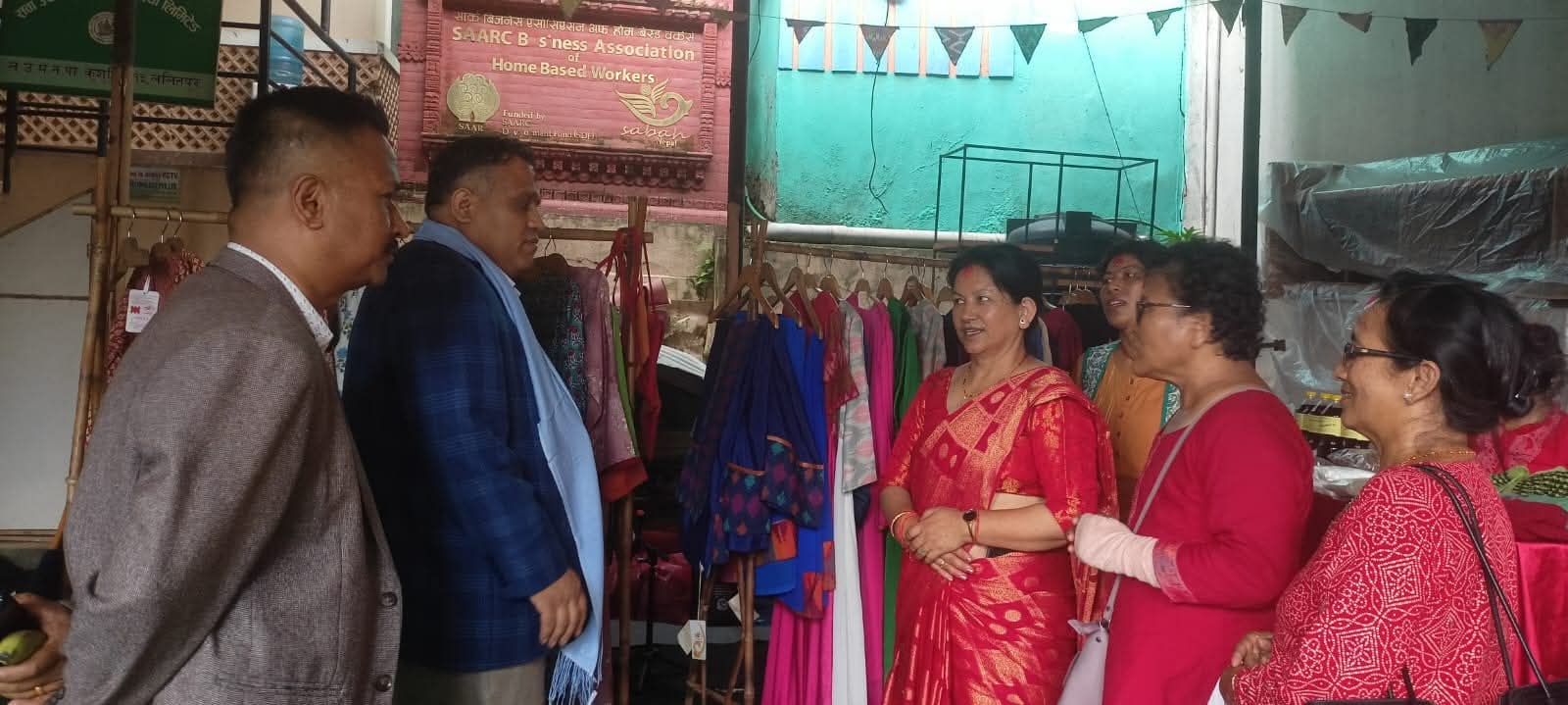
Through our network, artisans gain access to our 6 retail outlets located in prime locations across the Kathmandu Valley, our 3 community cafes that also serve as product display centers, corporate bulk buyers, hotels and resorts, gift shops, export houses, and online platforms. We also organize periodic exhibition-cum-sale events where artisans can directly interact with customers, receive real-time feedback, and make immediate sales.
We negotiate on behalf of artisans to ensure they receive fair prices and timely payments. Bulk orders are distributed among group members fairly, and quality checks are conducted before dispatch to maintain buyer confidence. We also help artisans understand order documentation, invoicing, payment collection, and after-sales service.
For international market linkages, we provide guidance on export documentation, quality standards, packaging requirements, and shipping logistics. We have successfully connected Nepali home based workers to buyers in India, Japan, Europe, and the United States.
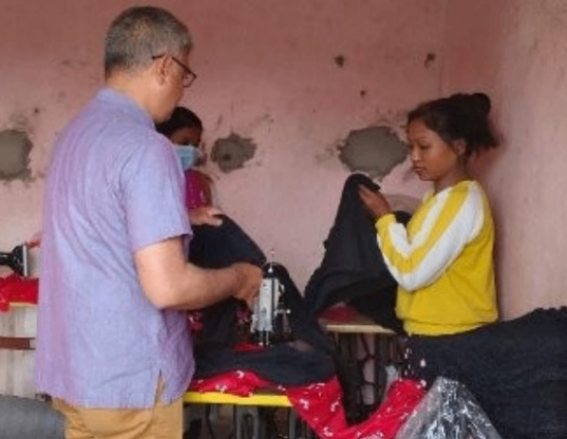
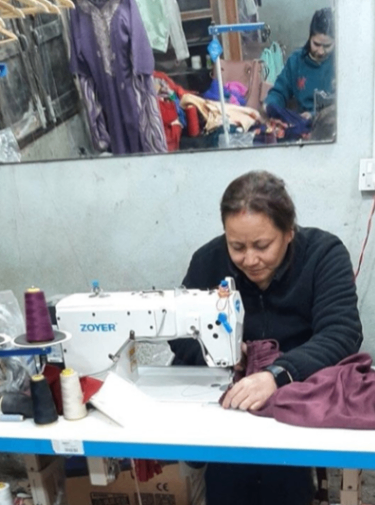
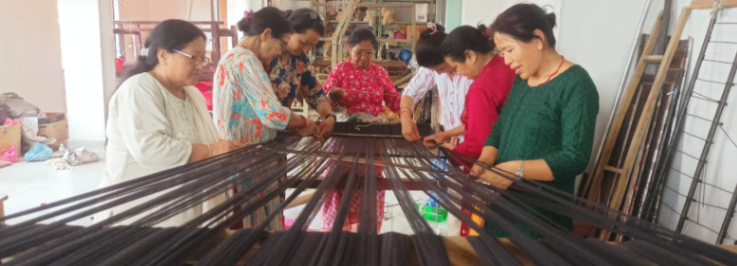
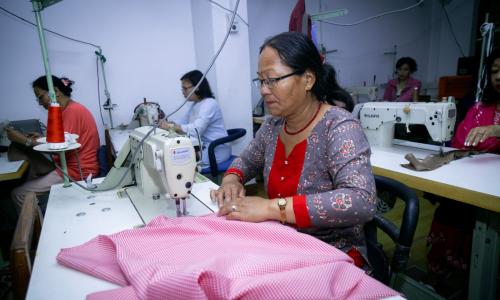
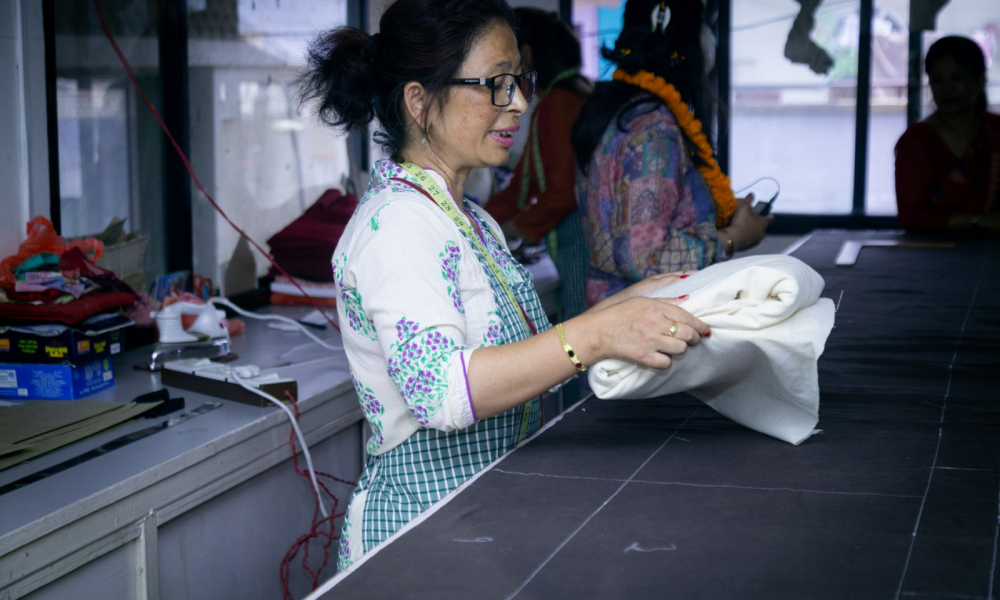
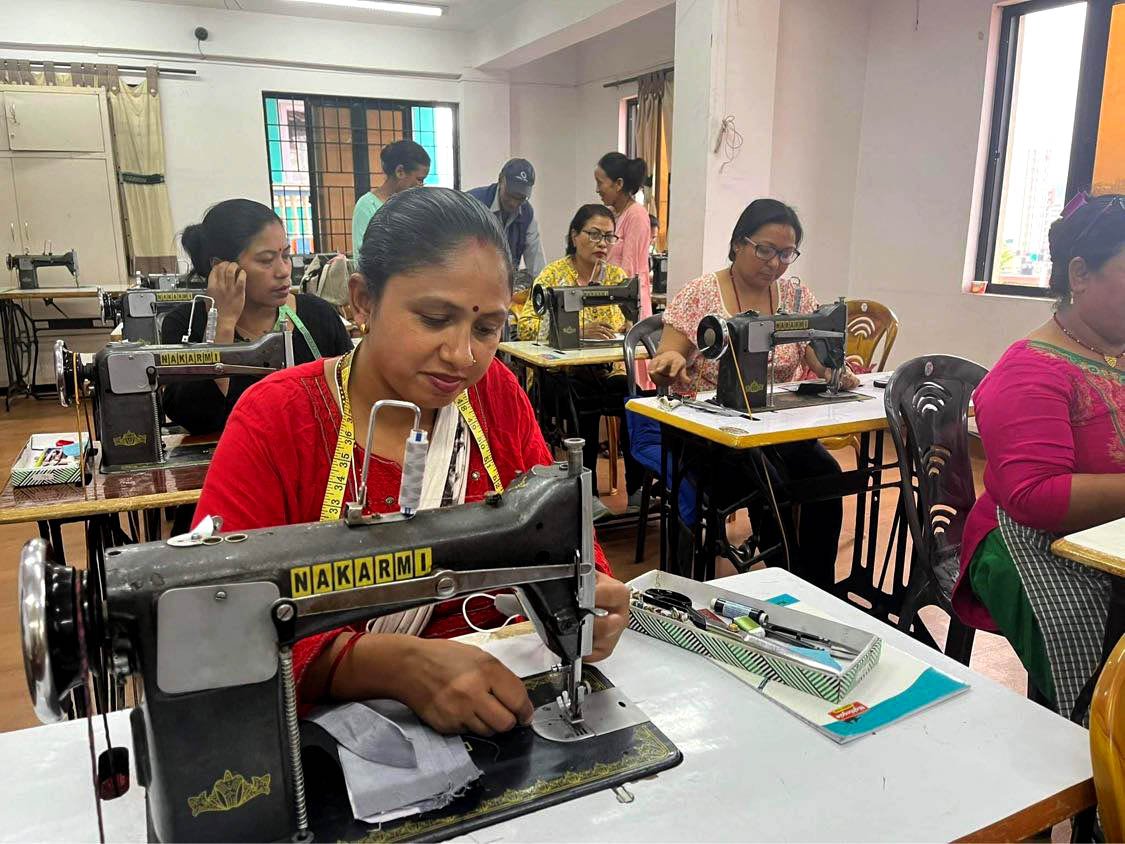
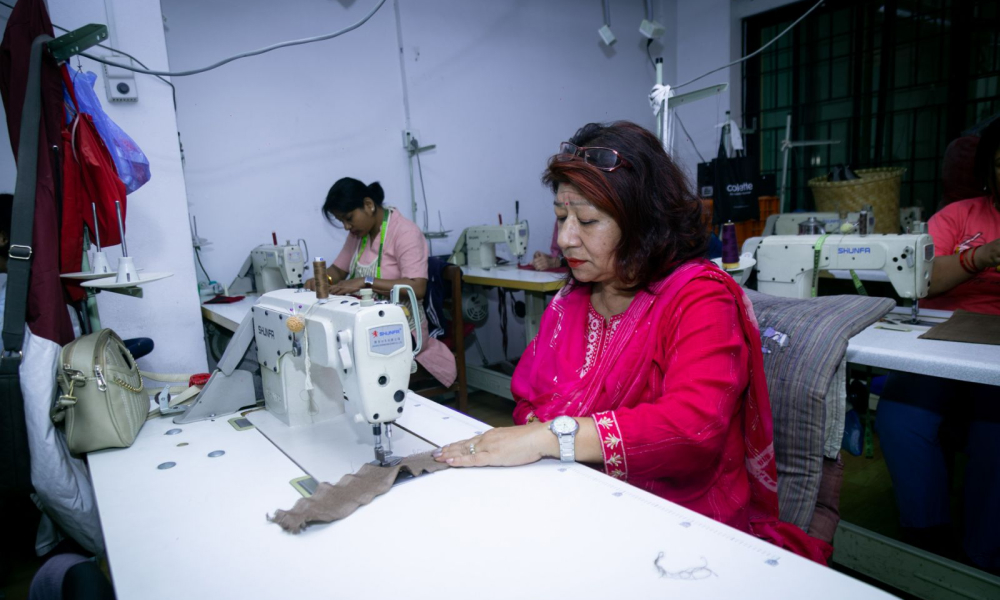
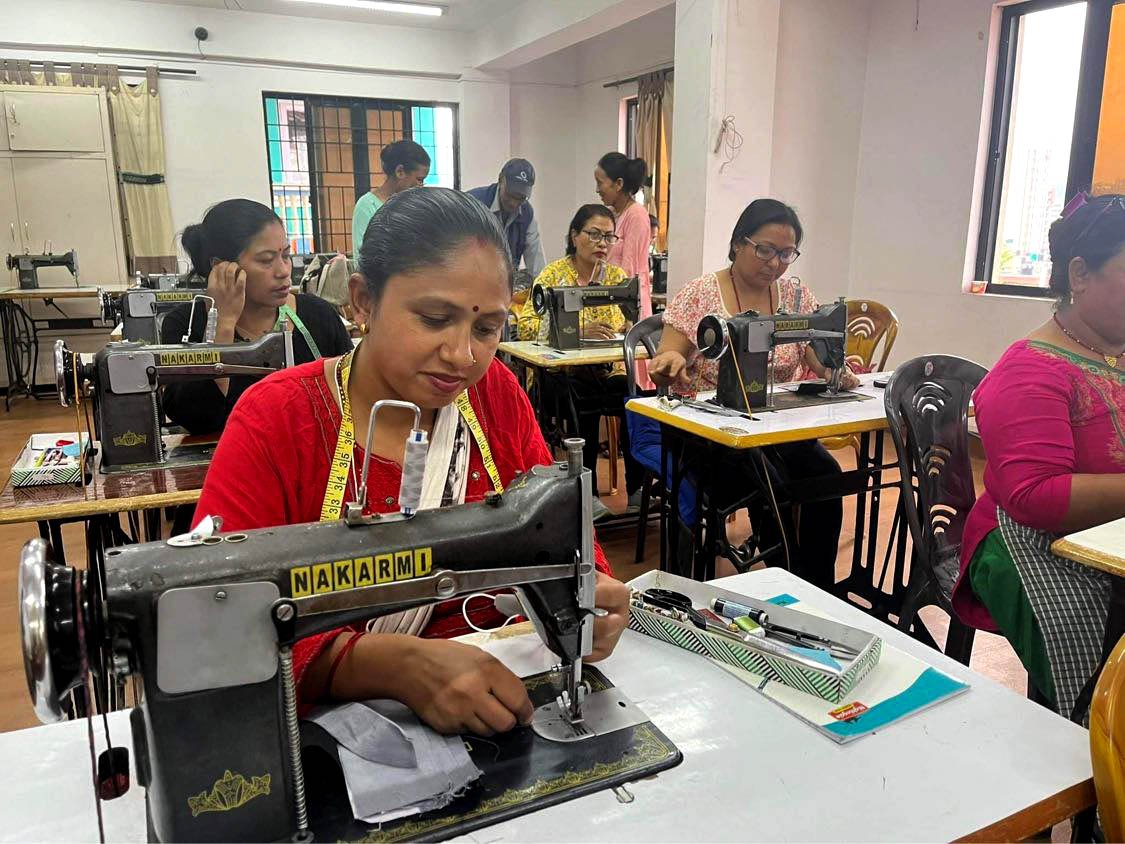
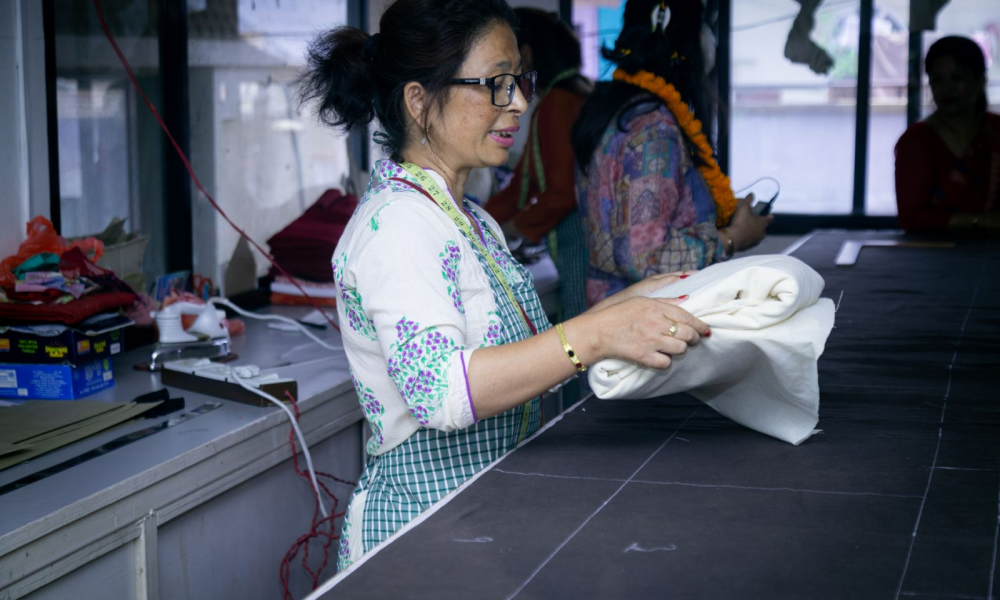
SABAH Nepal provides intensive skill enhancement training programs for home based workers across Nepal. These trainings focus on improving product quality, learning new techniques, mastering traditional crafts like weaving, embroidery, woodcarving, tailoring, and developing contemporary design skills. Our trainers are experienced professionals who work closely with artisans to ensure they meet market standards.
Each training session includes hands-on practice, individual feedback, group learning activities, and certification upon completion. We offer beginner, intermediate, and advanced level courses to cater to women at different skill levels. The training curriculum covers raw material selection, tool handling, quality control, finishing techniques, packaging, and pricing strategies.
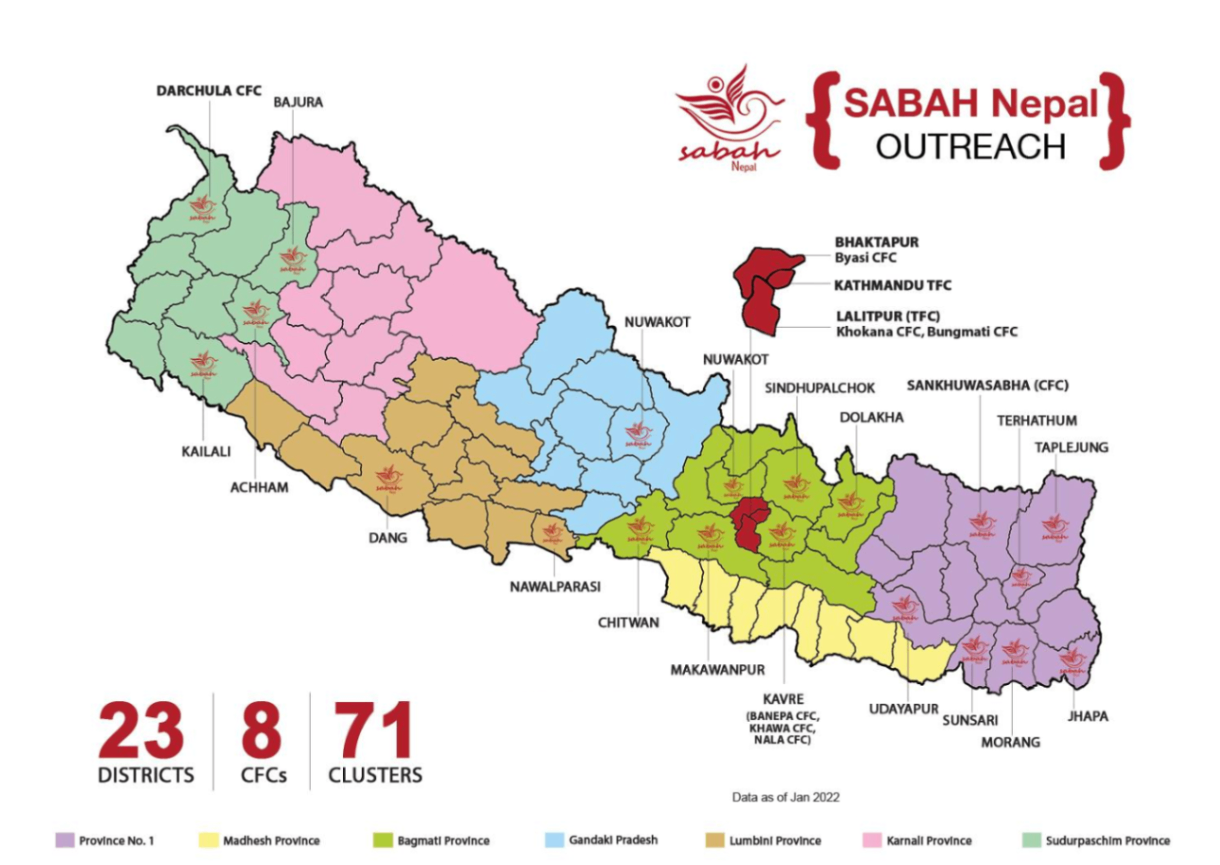
To date, we have conducted over 272 training sessions benefiting more than 3,785 women across Nepal including Kathmandu Valley, Pokhara, Chitwan, and other districts. Training programs are conducted at our 8 community centers located in different parts of the country, making them accessible to women from remote and rural areas as well. Many of our trained artisans have gone on to become master trainers themselves, creating a sustainable cycle of knowledge sharing within communities.
Regular refresher courses and advanced workshops are also organized to keep artisans updated with new techniques and market demands. We also provide post-training support including mentorship, troubleshooting, and quality monitoring to ensure continuous improvement in product quality and production efficiency.

From the Field to the Front: The Story of Raj Kumari Chaudhari Fakalpur, Kailali, Sudurpaschim Province For Raj Kumari...
From Bonded Labor to Business Owner: The Story of Indira Chaudhary Motichok, Kailali, Sudurpaschim Province Before she t...
Stitching Her Own Future: The Story of Anita Tamrakar Panauti Municipality, Kavrepalanchowk District, Bagmati Province...

From Housewife to Milk Entrepreneur: Shrijana's Journey of Transformation Myanglung Municipality, Terhathum, Nepal In...
One Door Opens: The Story of Ram Kumari Shrestha Nala, Kavrepalanchowk District, Bagmati Province Ram Kumari Shrestha is 50 y...